

Introduction
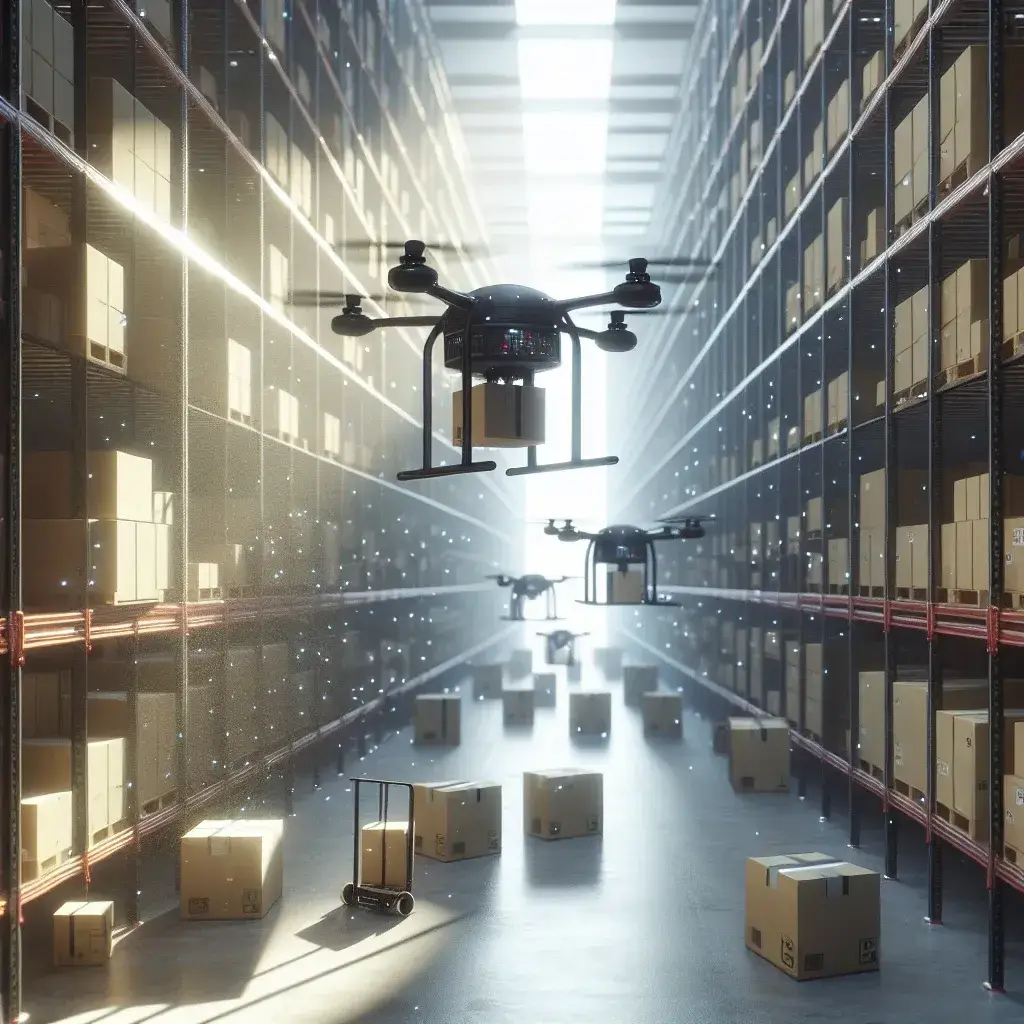
In an ever-evolving technological landscape, DJI has consistently been at the forefront of drone innovation. Their latest advancement introduces collision-proof drones tailored specifically for warehouse logistics. This groundbreaking development aims to enhance operational efficiency while ensuring the safety of both personnel and goods within large-scale storage environments. In this article, we delve into the features, benefits, and future implications of these state-of-the-art drones.
The Need for Collision-Proof Drones in Warehousing
The logistics industry has been undergoing a significant transformation over the last decade, primarily driven by the rise of e-commerce and the increasing demand for rapid delivery. Warehouses are becoming more complex, necessitating advanced solutions to streamline operations. The inherent challenges of navigating large spaces filled with inventory and equipment raise the risk of collisions, leading to potential injuries and damage. Here, collision-proof drones offer a timely solution.
Historical Context
The concept of utilizing drones in logistics isn’t entirely new. However, the advent of sophisticated sensors, artificial intelligence (AI), and machine learning has paved the way for safer and more efficient aerial operations within warehouses. Traditional manual inventory checks are not only time-consuming but also prone to human error. By integrating drones into warehouse logistics, businesses can minimize delays and enhance accuracy.
Key Features of DJI’s Collision-Proof Drones
- Advanced Sensor Technology: DJI’s drones come equipped with cutting-edge sensors that detect obstacles in real-time, allowing for smooth navigation through crowded warehouse environments.
- AI-Powered Navigation: Utilizing machine learning algorithms, the drones continuously learn from their surroundings, adapting to changes in the warehouse layout and improving their flight paths.
- High Payload Capacity: With the ability to carry substantial loads, these drones can transport goods efficiently, reducing the reliance on manual labor for inventory management.
- Automated Flight Paths: Users can program specific routes for the drones, ensuring tasks like inventory checks and deliveries are performed without human intervention.
- User-Friendly Interface: DJI has designed an intuitive control interface, making it accessible for warehouse staff with varying levels of technical expertise.
Benefits of Using Collision-Proof Drones
1. Enhanced Safety
One of the most significant advantages of collision-proof drones is their ability to reduce accidents within warehouses. With real-time obstacle detection and avoidance mechanisms, the risk of collisions with people, equipment, or inventory is significantly lowered. This not only protects the workforce but also minimizes the potential for costly damages.
2. Increased Efficiency
Time is of the essence in logistics. Drones can operate at high speeds, completing tasks that would take humans much longer. Routine inventory checks, for instance, can be performed in a fraction of the time, allowing staff to focus on more critical operations.
3. Cost Reduction
While the initial investment in drone technology may seem substantial, the long-term savings can be significant. By decreasing reliance on manual labor for routine tasks and minimizing errors, companies can optimize their workforce and reduce operational costs.
4. Real-Time Data Collection
Equipped with cameras and sensors, drones can gather real-time data on inventory levels and warehouse conditions. This information is invaluable for inventory management and can lead to more informed decision-making.
5. Flexibility and Scalability
As businesses grow, so do their logistics needs. DJI’s collision-proof drones can be easily integrated into existing warehouse systems, offering scalable solutions that adapt to evolving operational requirements.
Potential Challenges and Considerations
1. Regulatory Compliance
As with any drone technology, adhering to local regulations regarding drone usage is essential. Companies must navigate complex legal landscapes to ensure compliance, which could pose challenges depending on the warehouse’s location.
2. Initial Investment
Although the long-term savings are notable, the upfront costs associated with purchasing and implementing drone technology can be a barrier for some businesses. Companies need to evaluate their financial capabilities and consider the return on investment.
3. Training and Adaptation
Adopting new technology requires training and adaptation from the workforce. Companies must invest in staff training to ensure efficient operation and maintenance of the drones, which can take time and resources.
The Future of Logistics with DJI’s Drones
Looking ahead, the integration of collision-proof drones into warehouse logistics is poised to redefine the industry. As more companies recognize the benefits of drone technology, we can expect to see a surge in their adoption across various sectors.
Predictions for the Future
1. Wider Adoption: As drone technology becomes more mainstream, we anticipate an increase in the number of companies implementing drones in their logistics operations.
2. Continuous Improvement: DJI and other innovators will likely continue to enhance drone features, making them even more capable and efficient.
3. Integration with AI: The future will see drones working alongside AI systems to optimize warehouse operations, leading to unprecedented efficiency and accuracy.
4. Enhanced Collaboration: Drones will likely work in tandem with other automated technologies, such as robotic systems, to create a fully integrated warehouse logistics solution.
Real-World Examples
Several companies have already begun to explore the capabilities of DJI’s collision-proof drones in their warehouse operations. For instance, major retail chains have reported significant improvements in inventory accuracy and efficiency after integrating drone technology into their logistics processes.
Expert Insights
Industry experts foresee that collision-proof drones will become a standard tool in modern warehouses. According to logistics specialist Jane Doe, “Drones not only enhance operational efficiency; they also provide a competitive edge in an increasingly fast-paced market. Businesses that embrace this technology early on will likely see substantial benefits.”
Conclusion
DJI’s introduction of collision-proof drones marks a pivotal moment in the logistics landscape. As warehouses continue to evolve, the integration of such advanced technologies will be instrumental in addressing the challenges faced by the industry. With enhanced safety, efficiency, and cost-effectiveness, these drones are set to transform warehouse operations and redefine the future of logistics.


Leave a Reply