


Food tech innovation has reshaped the way we produce, distribute, and consume food, propelling the industry into a new era defined by data, automation, and sustainability. From disruptive innovation in laboratory-grown meats to incremental innovation in packaging, the innovation process in the food industry involves process innovation, product innovation, and business model innovation. Leading food tech companies and innovative companies are developing innovative solutions to deliver nutritious food more efficiently, reduce environmental impact, and adapt to climate change. This transformation is supported by research and development, innovation initiatives, and investment in technological advancements that challenge the status quo.
The Innovation Process in Food Technology
The innovation process in food tech begins with idea generation, where cross‑disciplinary innovation teams propose new ideas to meet unmet customer needs. These teams apply food science principles to test concepts ranging from alternative proteins to enhanced shelf life technologies. Research and development labs carry out experimentation aimed at understanding the key components of taste, texture, and nutritional value. When prototypes show promise, startups participate in an innovation program or incubator that helps them implement innovation and refine their business models for economic growth.
Process innovation improves manufacturing workflows and streamlines operations, enabling companies to reduce costs and scale production. Incremental innovation might involve tweaking an existing snack to improve quality, while disruptive innovation can create entirely groundbreaking solutions, such as plant-based milks that rival dairy in taste and performance.
Business Model Innovation and Competitive Advantage
Business leaders recognize that business model innovation can unlock new revenue streams and market expansion. Food tech companies adopt service innovation paradigms, offering subscription meal kits, digital marketplaces, or streaming platforms for cooking tutorials. By shifting from one-time product sales to ongoing service relationships, these companies gain a competitive advantage and deliver total value to customers.
Supporting innovation initiatives and funding helps these ventures scale. Fast Company and other media outlets regularly profile startups that take risk taking approaches, such as blockchain-based supply chain platforms that enhance transparency. Through open innovation, corporations invite external innovators to contribute good ideas, accelerating progress and tackling food production challenges collaboratively.
Technological Innovation Driving the Future
At the heart of food tech lies technological innovation—from precision fermentation to robotics in packing facilities. Current technology includes AI-driven sorting machines that detect spoilage, and IoT‑enabled sensors that monitor temperature and humidity during transit. New technologies under development aim to reduce energy consumption and minimize waste by automatically adjusting processes in real time.
Other technological advancements focus on personalized nutrition, using data analytics and microbiome profiling to recommend tailored meal plans. This shift leverages data driven insights collected from wearable health trackers, creating a science-based approach to eating that aligns with individual health goals.
Product Innovation and Groundbreaking Solutions
Product innovation in food tech ranges from low‑emission proteins to functional ingredients that support heart and cardiovascular health. Innovative products like cultured meat or algae-based snacks demonstrate how biotechnology and culinary creativity converge. These products address environmental concerns by reducing reliance on industrial livestock, thereby cutting greenhouse gases and diminishing land and water use.
In the beverage sector, startups use novel fermentation techniques to create zero‑alcohol beers with full flavor profiles. In baking, enzymatic treatments extend shelf life while preserving taste, tackling food waste at the consumer level. These groundbreaking solutions highlight the potential of science-driven innovation to transform everyday food products.
Alternative Proteins and Nutritious Food
One of the most significant trends in food tech is the rise of alternative proteins. Pea, soy, and mycoprotein-based products cater to shifting consumer preferences for plant‑based options. The primary goal is to deliver economically viable and nutritious food that matches or exceeds the nutritional profile of animal proteins. Advanced food technology enables the creation of texture and mouthfeel closely resembling meat, boosting consumer acceptance.
Startups use disruptive innovation to introduce lab-grown meat, where animal cells are cultivated in bioreactors, bypassing the need for full livestock production. This approach not only reduces environmental impact but also ensures consistent quality and food safety standards.
Supply Chain Transformation and Process Efficiency
Process innovation extends beyond production to include supply chain enhancements. By streamlining operations, companies reduce lead times and maintain freshness. Blockchain solutions track ingredients from farm to table, offering full transparency and enabling consumers to verify ethical sourcing. Digital twins of supply networks model disruptions—such as extreme weather events—and provide data driven insights to reroute shipments in real time.
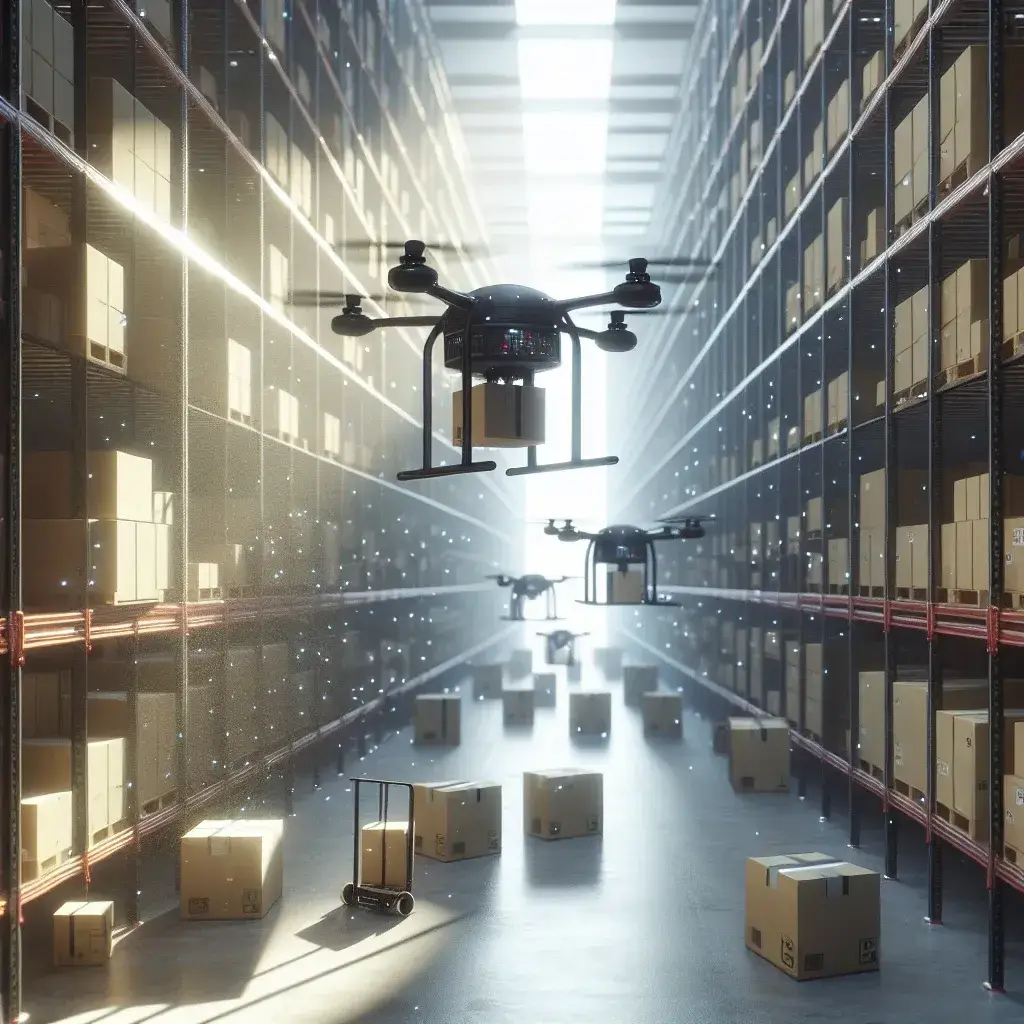
Robotics and automation in warehouses lower labor costs and improve accuracy during peak demand cycles. Automated loading systems in distribution centers use AI to identify optimal routing and stacking, reducing energy usage. These improvements help meet growing e‑commerce orders while maintaining sustainability standards.
Sustainability and Environmental Impact
Addressing climate change is integral to food tech innovation. Startups develop environmentally friendly packaging from compostable materials or edible films, replacing plastic. Alternative proteins and process innovations in upcycling food waste—such as converting spent grains into flour—conserve resources and reduce landfill contributions.
Vertical farming utilizes controlled environments and LED lighting to grow produce indoors, minimizing land use and water consumption. By optimizing key components such as nutrient delivery and CO₂ enrichment, these systems yield high-quality crops year-round, independent of external weather variability.
Food Safety, Compliance, and Consumer Trust
Ensuring food safety and regulatory law compliance is paramount. Innovation teams partner with certification bodies to validate processes and ingredients. Rapid diagnostic tools—using CRISPR-based sensors or immunoassays—allow on-site testing for pathogens, streamlining quality control.
Transparent labeling and interactive QR codes connect consumers to full traceability data, reinforcing trust. Early adopters demonstrating unwavering adherence to safety protocols and ethical standards gain a competitive advantage as they earn consumer loyalty.
Supporting Innovation: Funding and Collaboration

Supporting innovation initiatives requires robust funding and collaboration. Venture capital, government grants, and corporate R&D budgets fuel research and development, enabling startups to iterate on prototypes and scale production. Innovation programs hosted by accelerators and incubators provide mentorship, office space, and network access.
Through open innovation, food industry incumbents invite external teams to co‑create solutions. Hackathons and innovation challenges crowdsource good ideas, revealing unanticipated pathways to solve entrenched problems such as food insecurity and supply chain fragility.
Measuring Innovation and Proving Impact
To gauge progress, companies measure innovation through metrics such as reduction in water use, carbon footprint, and waste generation. Customer satisfaction, adoption rates, and market expansion quantify total value delivered. Investors and regulators rely on these metrics to assess ROI and sustainability performance.
Independent third‑party audits and certifications validate claims, preventing greenwashing. Startups publishing transparent impact reports bolster credibility and guide continuous improvement, ensuring that innovative approaches translate into real-world benefits.
Overcoming Challenges and Managing Risk
Innovation entails risk taking, and the food tech sector faces hurdles. High R&D costs, regulatory complexity, and consumer skepticism can stall progress. Teams confront supply chain disruptions, scaling bottlenecks, and technology integration challenges. Effective problem solving requires agility, extensive testing, and cross‑functional expertise.
Cultivating a culture that embraces fear holds, encouraging experimentation and tolerance for failure, helps companies navigate uncertainties. By piloting solutions in controlled environments and iterating based on feedback, startups refine their offerings before full-scale launch.
The Future of Food Tech and Industry Evolution
Looking ahead, food tech will continue to drive economic growth and shape the future of the food industry. Emerging trends include personalized nutrition powered by AI, molecular gastronomy for novel flavor experiences, and precision fermentation for tailor-made ingredients. Technological innovation in areas such as nanotechnology and synthetic biology promises to unlock new product categories and redefine food production.
Global business leaders will champion innovation important strategies to maintain competitiveness and respond to evolving customer needs. From farm to fork, the technology that underpins food systems will become ever more integrated, ensuring that the benefits of process innovation and service innovation reach consumers efficiently.
In an era defined by rapid change and mounting environmental pressures, food tech innovation offers a pathway to resilient, scalable, and sustainable food systems. Through incremental innovation and disruptive innovation, startups and established players develop innovative solutions that meet unmet customer needs, reduce waste, and ensure access to nutritious food for all.
By fostering innovation initiatives, investing in research and development, and championing business model innovation, the food industry can transcend legacy constraints and address global challenges. As the culinary and supply chain landscapes evolve, those who embrace the innovation process will secure a competitive advantage and contribute to a greener, healthier world.


Leave a Reply