

Introduction
In a groundbreaking move that intertwines innovation with operational efficiency, UPS has embarked on a pilot program to integrate AI-powered warehouse exoskeletons into its U.S. operations. This initiative aims to revolutionize the logistics and delivery industry, showcasing how technology can enhance employee performance while ensuring safety. As e-commerce continues to grow, the need for effective solutions to tackle increasing workloads becomes imperative, and UPS is stepping up to meet this challenge.
The Rise of AI in Warehousing
Artificial Intelligence (AI) has transformed various sectors, with warehousing being a prime candidate for technological enhancement. Traditional warehousing relies heavily on manual labor, which can lead to fatigue, injuries, and decreased productivity. According to the Bureau of Labor Statistics, over 200,000 workers are injured annually in the warehousing sector. AI-powered solutions, such as exoskeletons, have emerged as a promising way to mitigate these challenges.
What Are Warehouse Exoskeletons?
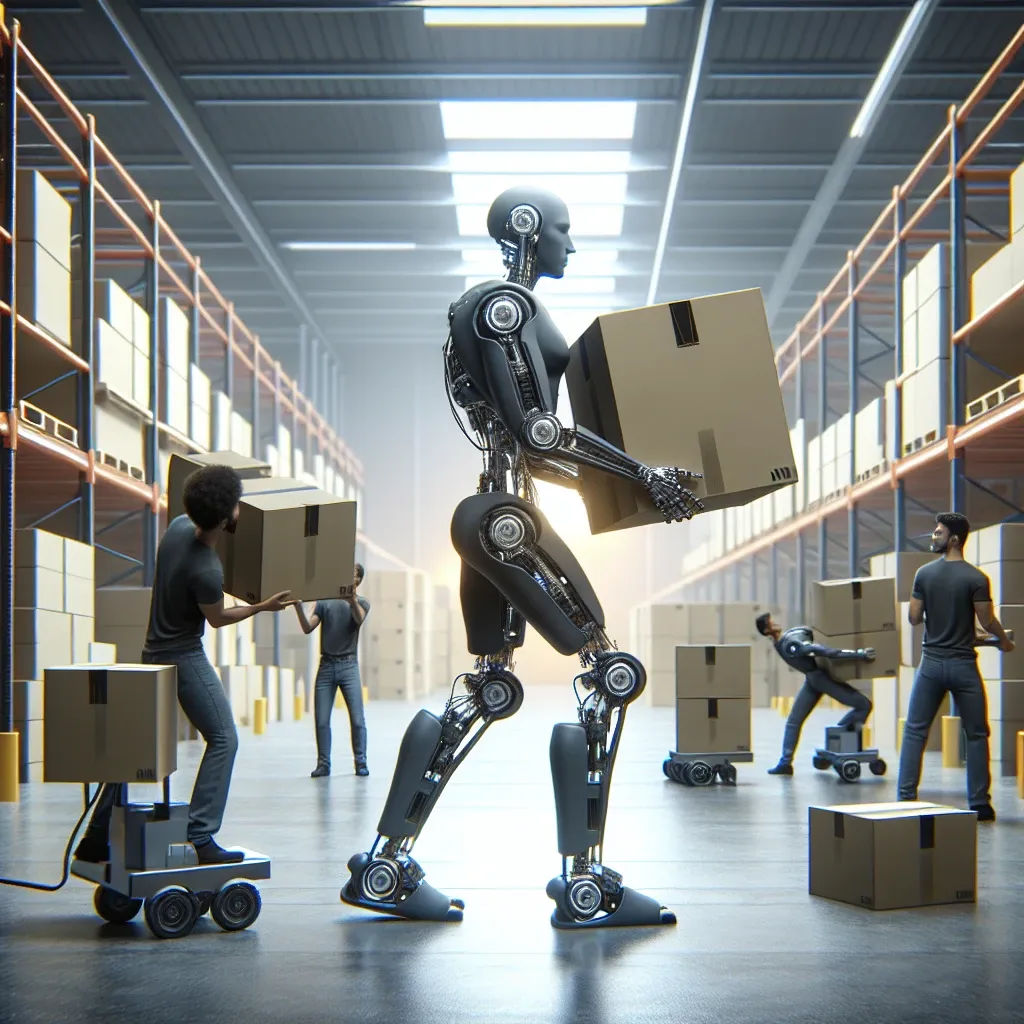
Warehouse exoskeletons are wearable robotic suits designed to assist human workers in lifting heavy objects and performing repetitive tasks with minimal strain. These advanced devices use sensors and AI algorithms to adapt to the movements of the user, providing support to their muscles and joints. By distributing weight and reducing the physical burden, exoskeletons can significantly lower the risk of injuries.
UPS’s Pilot Program
UPS’s pilot program involves testing several models of AI-powered exoskeletons within its distribution centers. The selected models are designed to assist workers in handling parcels that weigh up to 50 pounds, a common weight in the logistics industry. This initiative is not just about adopting new technology; it represents a broader strategy to enhance operational efficiency and worker safety.
Objectives of the Pilot Program
- Enhance Worker Safety: Reduce the incidence of workplace injuries caused by heavy lifting and repetitive motions.
- Boost Productivity: Allow employees to work more efficiently without the physical constraints of heavy lifting.
- Improve Employee Satisfaction: Foster a safer and more supportive work environment, leading to higher job satisfaction.
The Technology Behind AI-Powered Exoskeletons
The exoskeletons being tested by UPS are equipped with cutting-edge technology that allows them to react in real-time to the user’s movements. This adaptability is achieved through a combination of sensors, machine learning, and AI algorithms. The sensors detect the user’s posture and movements, enabling the exoskeleton to provide tailored support. For instance, when a worker bends down to lift a box, the exoskeleton assists by redistributing the load to prevent strain on the back and legs.
Benefits of AI Exoskeletons
Implementing AI-powered exoskeletons in warehouse operations offers numerous advantages:
- Reduced Physical Strain: Workers experience less fatigue, allowing them to maintain high productivity levels throughout their shifts.
- Decreased Injury Rates: By providing support for lifting and reducing the likelihood of overexertion, these exoskeletons can lead to fewer workplace injuries.
- Increased Efficiency: Enhanced physical capabilities allow workers to handle more packages in less time, improving overall operational efficiency.
Historical Context of Technology in Warehousing
Technology has always played a pivotal role in the evolution of warehousing. From the introduction of conveyor belts in the early 20th century to the adoption of automation and robotics in recent years, the industry has continually adapted to improve efficiency. The emergence of AI-powered exoskeletons marks another significant leap in this evolution, reflecting the industry’s commitment to embracing innovation.
Future Predictions for Warehouse Operations
As UPS continues to pilot AI-powered exoskeletons, the future of warehouse operations looks promising. Experts predict that the logistics industry will increasingly rely on technology to address workforce challenges. Solutions like AI exoskeletons will likely become standard in warehouses, enhancing safety protocols and productivity measures.
Potential Challenges
Despite the potential benefits, the implementation of AI-powered exoskeletons is not without challenges. These include:
- Cost of Implementation: Initial investment in technology can be high, posing a barrier for some companies.
- Training Requirements: Workers will need proper training to use the exoskeletons effectively, which requires additional time and resources.
- Integration with Existing Systems: Ensuring that new technology works seamlessly with current warehouse operations can be complex.
Real-Life Examples of Exoskeletons in Use
UPS is not the only company exploring the use of exoskeletons in warehousing. Companies like Amazon and Ford have also piloted similar technologies. Ford, for instance, has implemented exoskeletons in its manufacturing plants to assist employees during assembly tasks. These examples underscore a growing trend in various industries to leverage exoskeleton technology for improving worker safety and productivity.
Cultural Relevance
The integration of AI-powered technology in workplaces resonates with broader cultural shifts towards automation and efficiency. As society becomes more accustomed to advanced technology, the acceptance of tools like exoskeletons is likely to grow. Moreover, as workers seek better employment conditions, innovations that promote safety and reduce physical strain will be met with enthusiasm.
Conclusion
UPS’s pilot program for AI-powered warehouse exoskeletons marks a significant step forward in the logistics industry. By embracing this cutting-edge technology, UPS is not only addressing the challenges of physical labor but also enhancing the overall efficiency of its operations. As the pilot progresses, it will be fascinating to observe the impact on worker safety, productivity, and employee satisfaction. The future of warehousing is undoubtedly bright, with technology leading the charge toward safer and more efficient workplaces.
Final Thoughts
The journey toward integrating AI-powered exoskeletons in warehousing operations is just beginning. While challenges exist, the potential rewards are immense. As companies like UPS explore this avenue, they pave the way for a future where technology and human labor work hand in hand to create a safer and more productive working environment.


Leave a Reply